
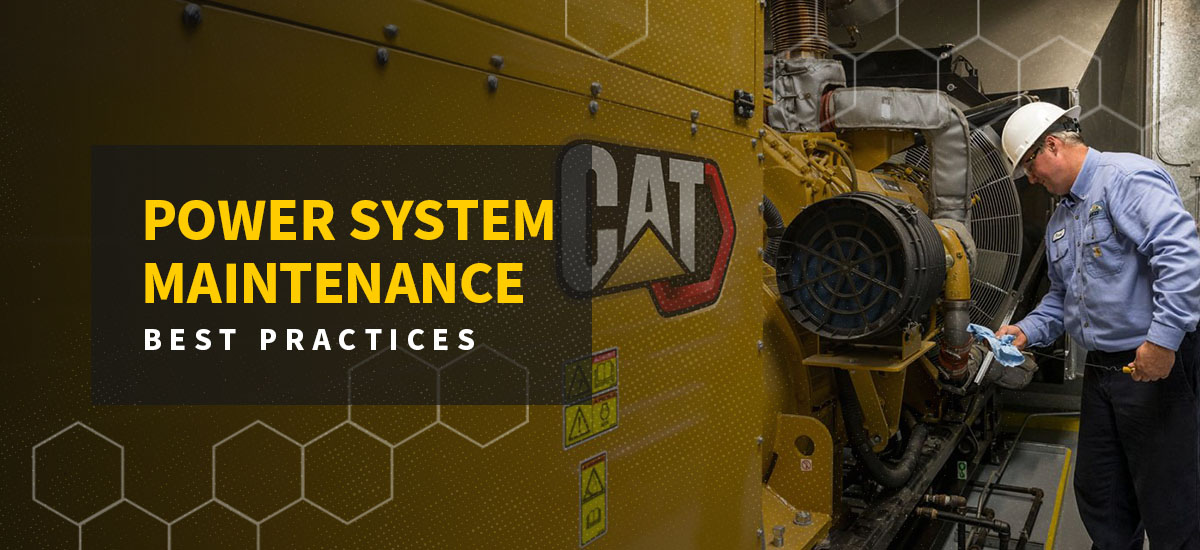
Power systems are easy to overlook when they’re working properly. However, the real challenge appears when backup power fails during an outage or critical equipment stops unexpectedly. In many cases, the issue is not the equipment itself but inconsistent maintenance, missed inspections or infrequent testing.
That is why understanding the best practices in power system maintenance matters. A proactive approach helps reduce downtime risk, extend equipment life and support compliance with safety standards. Learn practical maintenance practices and documentation strategies that help facilities stay prepared.
The Importance of Power System Maintenance
Backup power systems are a key part of your operation, and routinely maintaining them has multiple benefits.
Longer Equipment Lifespan
Generators, transfer switches and switchgear are significant investments. With proper care, many systems can operate reliably for many years.
Improved Performance and Reliability
Performance issues often start small. It might involve a slight voltage instability, harder starts or increased vibration. Without routine inspections, these minor symptoms can easily be overlooked and then lead to failure during important moments.
Reduced Downtime and Operational Risk
For manufacturing facilities, healthcare environments and commercial buildings, power interruptions are more than inconvenient. Downtime can lead to production delays, data loss or system damage. However, a structured maintenance plan that involves regular inspections can help lower the likelihood of emergency failures.
Compliance and Audit Readiness
Many facilities must comply with NFPA 110 and other safety standards. Compliance involves properly documenting inspections and maintenance logs to create traceability and accountability. A strong maintenance program protects both operations and compliance.
Preventive vs. Predictive Maintenance for Power Systems
Once you understand why maintenance matters, the next step is deciding how to approach it. Most successful programs combine preventive and predictive strategies.
Mantenimiento preventivo
Preventive maintenance follows scheduled intervals based on manufacturer guidelines and operating hours. This approach reduces unexpected failures and keeps systems operating. An effective preventive maintenance plan includes the following:
- Scheduled component replacement: Replace belts, filters and hoses according to manufacturer recommendations.
- Routine generator service checklist execution: Use standardized maintenance procedures for consistent results.
- Cooling system maintenance: Inspect radiators, pumps and hoses to prevent overheating.
Predictive Maintenance Approach
Predictive maintenance uses data to anticipate problems. When combined with preventive service, they form one of the most effective maintenance practices. This approach may include the following:
- Fluid analysis testing: Oil and coolant samples reveal internal wear or contamination.
- Thermal imaging inspections: Infrared scanning detects overheating electrical connections.
- Performance monitoring: Load testing data helps identify declining system performance.
Planning Your Maintenance
A structured maintenance record helps teams track service history, inspections and repairs.
Maintenance Recordkeeping
Accurate documentation supports audits and long-term planning. It may include the following:
- Inspection logs: Record weekly and monthly inspection results.
- Testing documentation: Keep detailed records of load testing and service visits.
- Repair tracking: Document all component replacements and adjustments.
Building a Practical Maintenance Plan
A clear maintenance plan helps teams stay organized and proactive. The following are a few examples of what a typical plan may include:
- Define inspection intervals: Establish weekly, monthly, quarterly and annual schedules.
- Assign responsibilities: Ensure staff understand inspection and testing roles.
- Plan for professional service: Schedule specialized testing and maintenance in advance.
- Review performance annually: Adjust the maintenance plan based on system performance.
3 Key Power System Maintenance Best Practices
Three key practices can help keep the power system dependable.

1. Create a Power System Inspection Checklist
Routine inspections are your first line of defense. These practices prevent seals from drying out and keep components operational. They may include the following:
- Weekly visual inspections: Check oil, coolant and fuel levels. Look for leaks beneath the generator and inspect battery terminals for corrosion.
- Airflow and environment checks: Ensure air intakes are clear and ventilation paths are unobstructed.
- Monthly generator exercising: Run the unit to circulate fluids.
2. Keep a Maintenance Schedule
A well-defined generator maintenance schedule takes the guesswork out of the equation, as your team will be clear on what they need to do and when. Your structured schedule may include the following:
- Quarterly inspections: Examine belts, hoses, electrical connections and fuel lines.
- Semiannual service: Replace filters, inspect cooling systems, and test battery health.
- Annual load bank testing: Operate the generator at full capacity to confirm performance.
3. Adhere to Safety and Compliance Requirements
Maintenance should always prioritize safety, as this protects personnel and equipment. Best practices for this critical step include:
- Lockout and tagout procedures to protect technicians during inspections.
- Personal protective equipment use, which is essential when working around energized components.
- NFPA 110 documentation compliance to maintain accurate service and testing records.
Common Power System Points to Monitor
Understanding common failure areas helps maintenance teams focus inspection efforts where they matter most. The following areas can bring a few challenges:
- Battery systems: Weak or corroded batteries may cause startup failures.
- Fuel system contamination: Water or debris in fuel tanks can prevent proper operation.
- Cooling system issues: Radiator blockages or coolant leaks can lead to overheating.
- Electrical connection loosening: Vibration over time can loosen terminals.
- Control system faults: Software or sensor failures can disrupt generator startup.
Regular inspections targeting these areas can help improve reliability.
Frequently Asked Questions
Get your pressing questions on power system maintenance answered.
1. How Do Environmental Conditions Affect Power System Maintenance?
Facilities in high-humidity, coastal or dusty environments may require more frequent inspections because moisture can accelerate corrosion, while airborne debris can clog cooling systems and air filters. Adjusting maintenance intervals based on location helps protect long-term reliability.
2. Can Power System Maintenance Be Performed In-House or Should It Be Outsourced?
Trained in-house maintenance teams can typically handle routine visual inspections. However, specialized testing like load bank testing, advanced diagnostics and compliance-driven documentation are often best performed by certified technicians.
3. How Much Does Power System Maintenance Cost?
Maintenance costs vary based on generator size, usage frequency and whether the system serves an essential application. Facilities that follow structured preventive maintenance plans can achieve lower long-term costs by detecting issues early and reducing the likelihood of emergency repairs.

Choose Thompson Machinery for All Your Maintenance Needs
Following proven power system maintenance best practices helps facilities stay prepared. A balanced approach that combines in-house inspections with professional service ensures backup power systems remain ready when needed most.
Keep your power systems reliable with Thompson Machinery’s preventive maintenance services. With over 75 years of experience and reliable facilities across Middle Tennessee, West Tennessee and North Mississippi, we have the capacity to optimize your system’s performance and meet your maintenance needs on time.
Contact us to schedule your service today, and build a maintenance plan that keeps your power systems reliable, compliant and ready for the next outage.